The Woman Who Made the 1970s Stop and Stare: A Story of Beauty, Rebellion, and Redemption
When natural beauty was still a rarity, she made the whole world stop and stare. The sunset behind her was only a backdrop—the real magic lived in her gaze, her effortless confidence, her quiet defiance. She wasn’t just a model; she was a movement. Every frame she graced became a story, every photograph a whisper of freedom. Do you recognize her? …She is Lisa Taylor.
From Oyster Bay to Manhattan Dreams
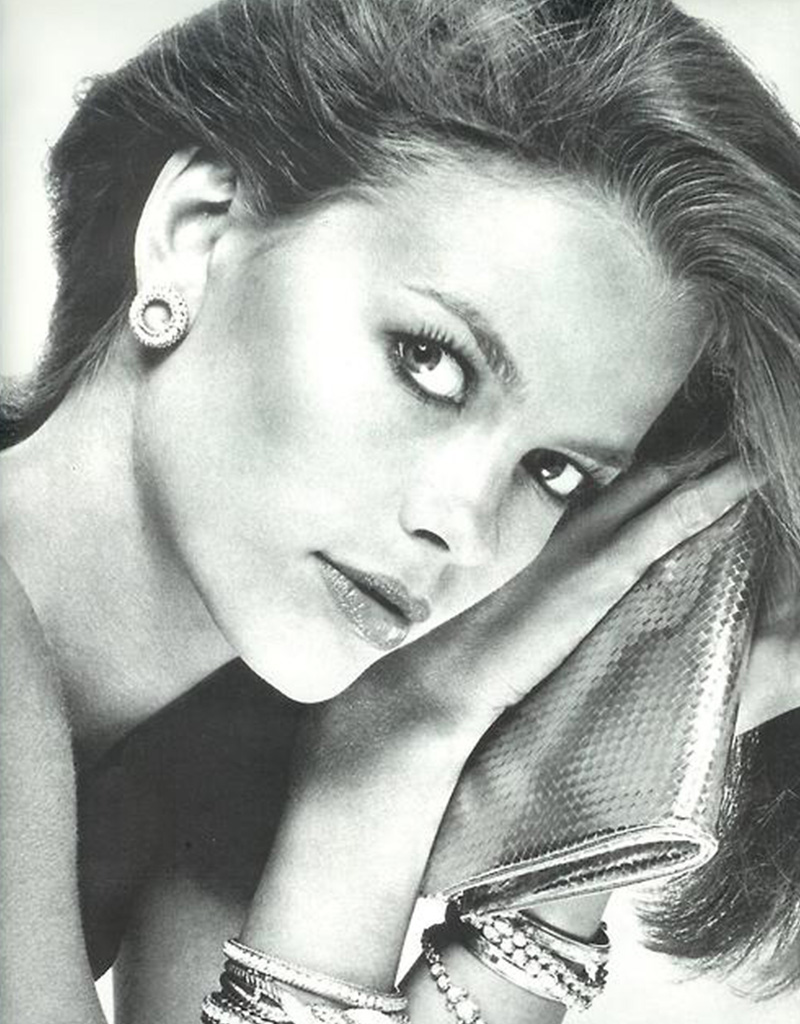
Lisa Taylor’s story begins in Oyster Bay, New York, where she was born on January 10, 1952. She wasn’t raised in fame or fortune—just a spirited girl with curiosity in her eyes and an instinct for independence. After briefly attending Pine Manor College in Boston, she dropped out, realizing that textbooks couldn’t hold her restless heart. When her father cut her off financially, she packed her bags, moved to Manhattan, and walked straight into Ford Models.
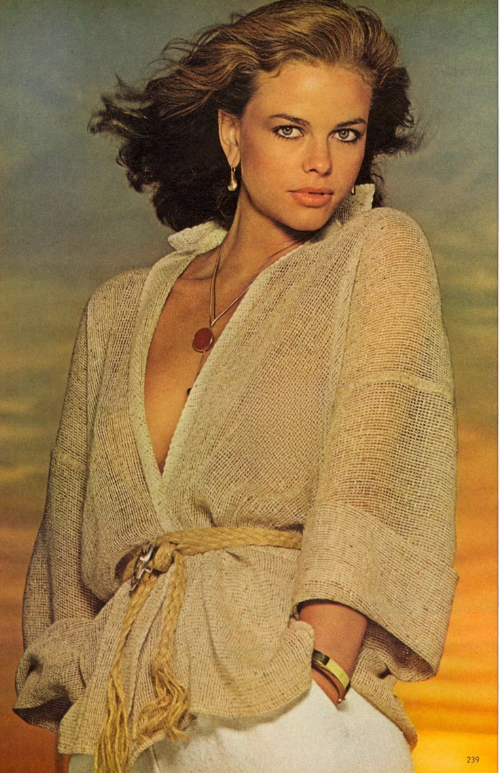
In a city brimming with ambition, Lisa’s natural beauty stood out—sun-kissed hair, piercing blue eyes, and an energy that couldn’t be replicated. She wasn’t molded to fit fashion’s standards; she reshaped them.
Video : Windy City 1984
The Rise of a 1970s Supernova
By the early 1970s, Lisa Taylor was everywhere. Vogue covers, billboards, fashion runways—her face became synonymous with the decade’s golden glow. She embodied the spirit of effortless cool: free-spirited, natural, unapologetically herself.

Photographers adored her. Helmut Newton, Arthur Elgort, and Chris von Wangenheim captured her like a muse reborn from sunlight and shadows. Her ability to shift between innocence and allure made every shot magnetic. Calvin Klein and Oscar de la Renta clamored for her. Her name became shorthand for beauty that felt real.
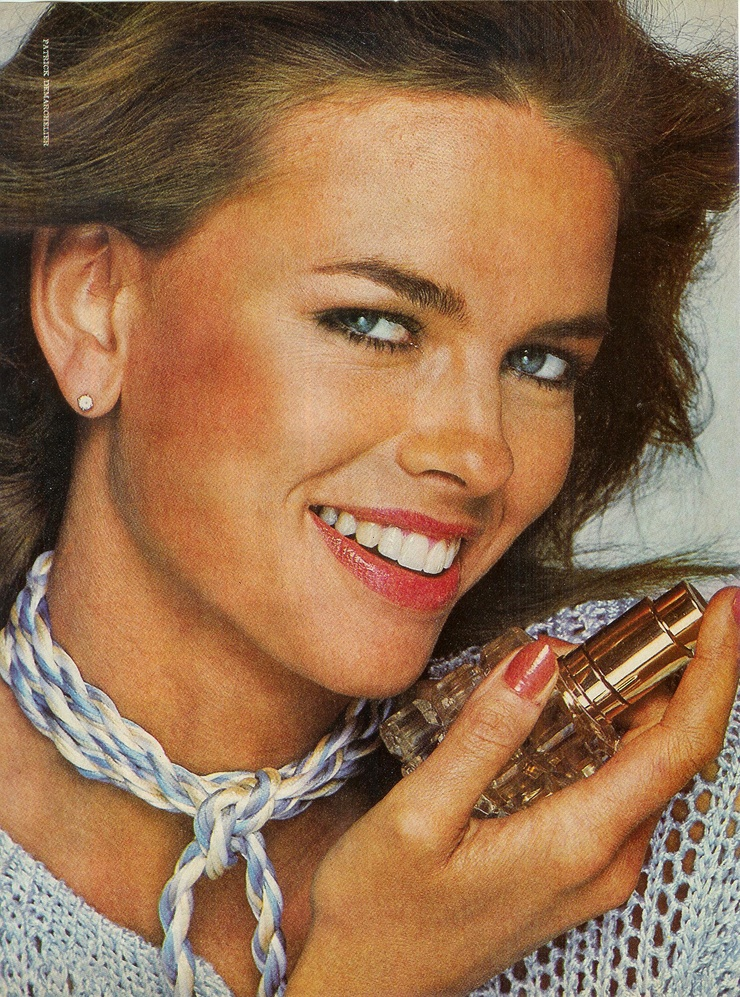
Lisa didn’t just represent fashion—she embodied a cultural shift. She symbolized liberation, the breaking of rules, the rise of individuality. In an age of glam and rebellion, she was both muse and mirror.
The Woman Behind the Lens: Real, Raw, and Reckless
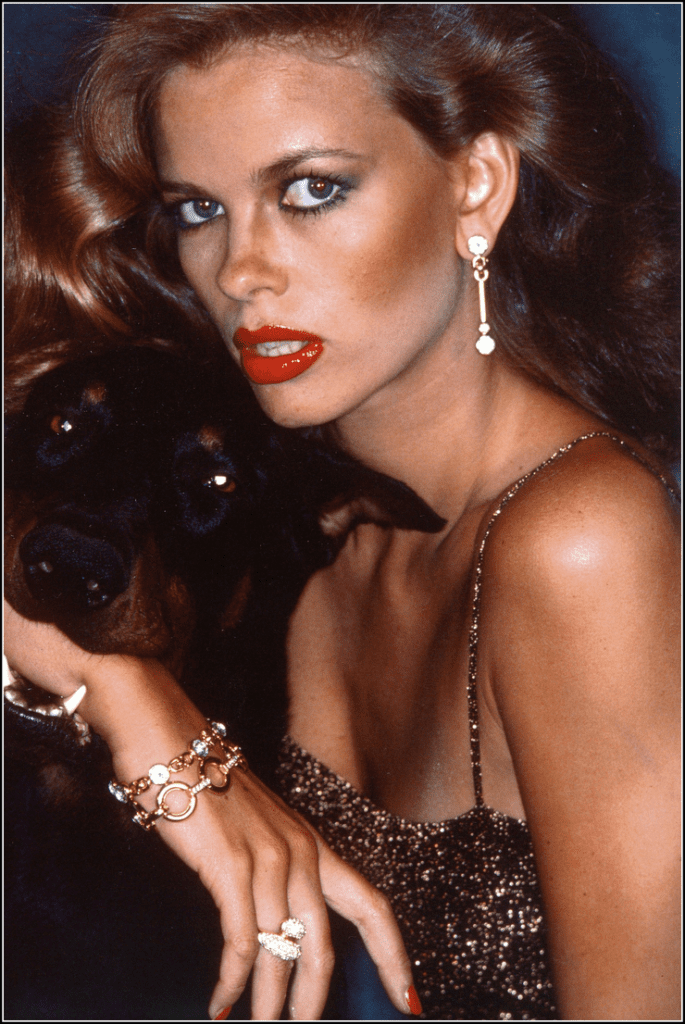
But the spotlight came with shadows. The same decade that celebrated freedom also courted excess. Studio 54 parties, champagne-soaked nights, and an industry obsessed with image pulled her into a spiral. Fame was intoxicating—but fleeting.
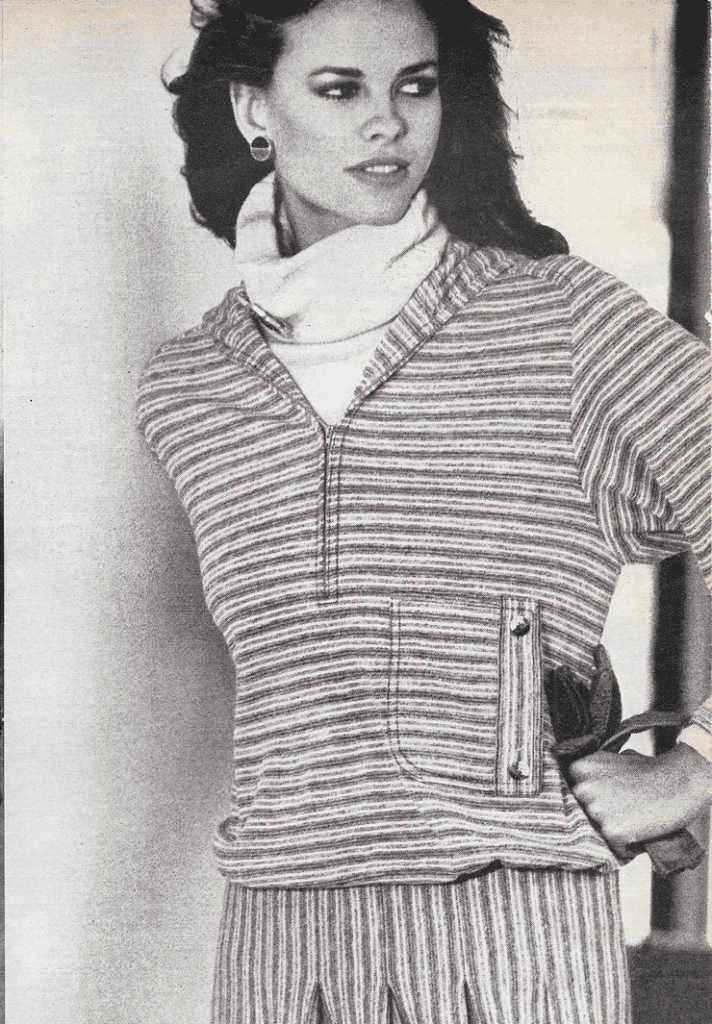
Lisa lived fast, burning through the glamour and the chaos with equal intensity. Drugs and alcohol became her escape, the darker side of a beautiful life. By her late 20s, she felt lost. Modeling no longer felt like art—it felt like survival.
She stepped away in the early 1980s, retreating from the limelight that once adored her. “It wasn’t fun anymore,” she would later admit. “It was killing me.”
Reinvention and Redemption: Hollywood and Healing
When Lisa left modeling, she didn’t disappear—she transformed. Hollywood noticed her raw charisma, casting her in Eyes of Laura Mars (1978), alongside Faye Dunaway and Tommy Lee Jones. On screen, she was captivating—a reflection of her real-life allure and vulnerability. Her brief but memorable acting career, including roles in Windy City and Where the Buffalo Roam, proved she was more than just a pretty face.
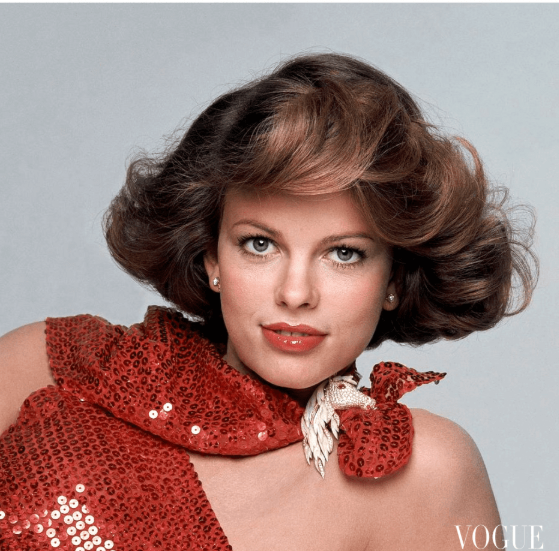
But her biggest performance wasn’t on camera—it was her comeback. After battling addiction, Lisa found sobriety in California. She rebuilt her life, brick by brick, choosing health and peace over chaos. She began speaking openly about recovery, helping younger models avoid the same pitfalls.
Her courage turned her into something even more powerful than a supermodel: a survivor.
Video : Where the Buffalo Roam Official Trailer #1 – Bill Murray Movie (1980) HD
Legacy of Light: The Icon Who Refused to Fade
By the 1990s, the fashion world rediscovered Lisa Taylor. Vogue invited her back for its millennium issue, celebrating her as a timeless beauty who transcended decades. Her face hadn’t changed much—still luminous, still confident—but now there was something new behind those eyes: wisdom.
Younger generations saw in her what the world had always known—that true beauty isn’t about age or perfection, but presence. She’d lived through the glitter and the grit, and came out radiant.
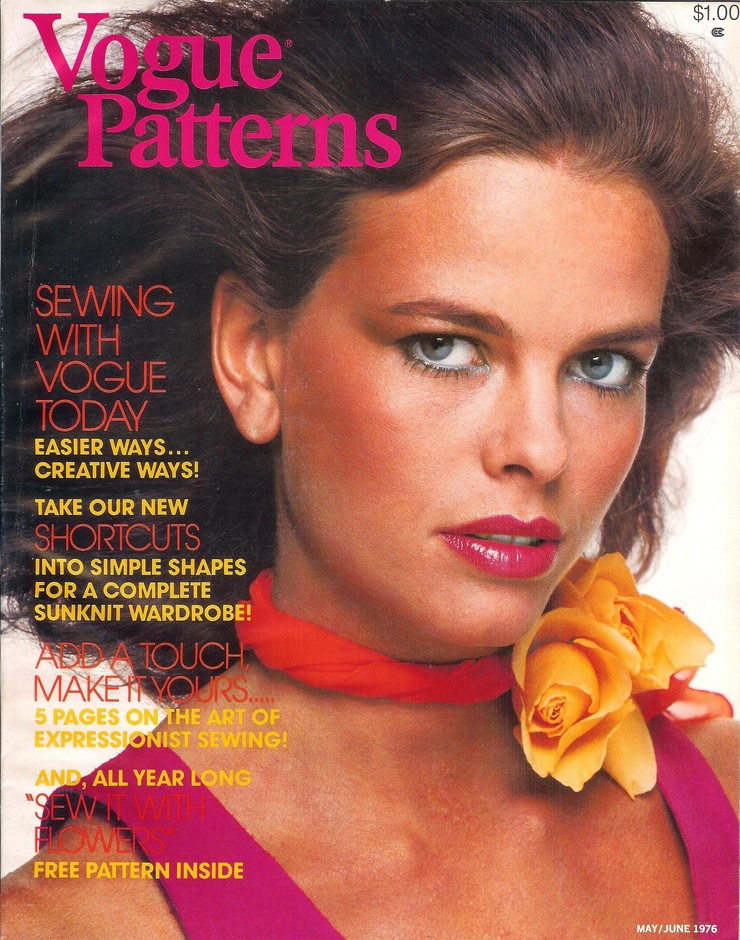
Her legacy lives in the DNA of modern fashion. Every “no makeup” campaign, every effortless editorial owes a nod to Lisa Taylor—the woman who proved natural beauty never goes out of style.
Life Today: Grace Beyond the Spotlight
Now in her seventies, Lisa lives quietly on the West Coast with her husband, Ellis Bradley Jones. Her days are simple: yoga, nature walks, mentoring younger women in the industry, and reflecting on a life that once moved at the speed of a strobe light.
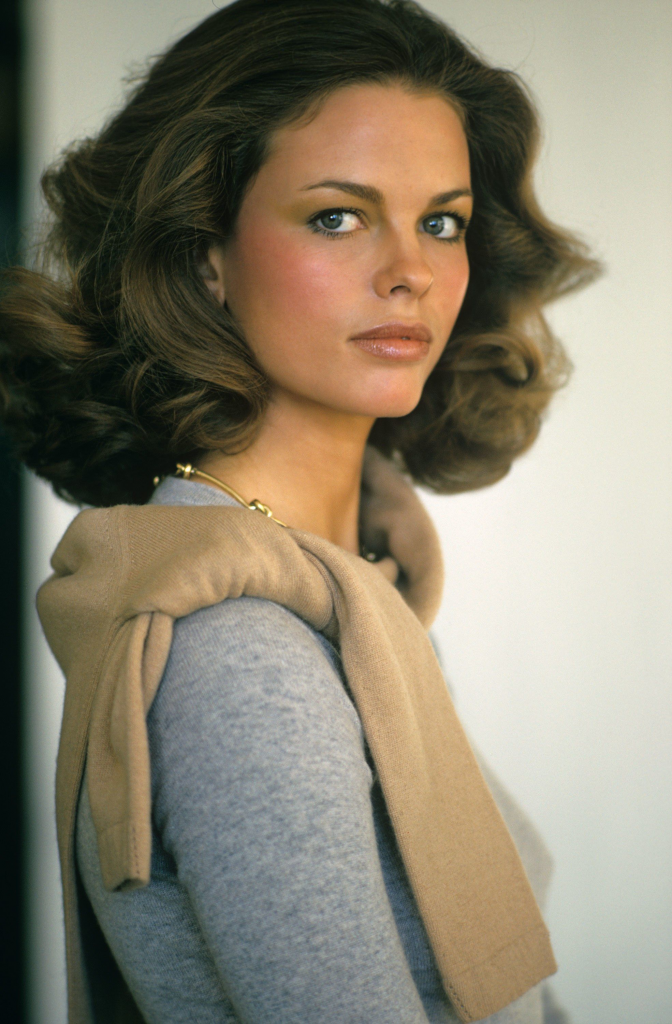
She rarely appears in public, but when she does, her calm presence still commands attention. The once-wild model who danced through Studio 54 now finds joy in stillness, gratitude, and sunlight. “The best high,” she says, “is peace.”
Why Lisa Taylor Still Matters
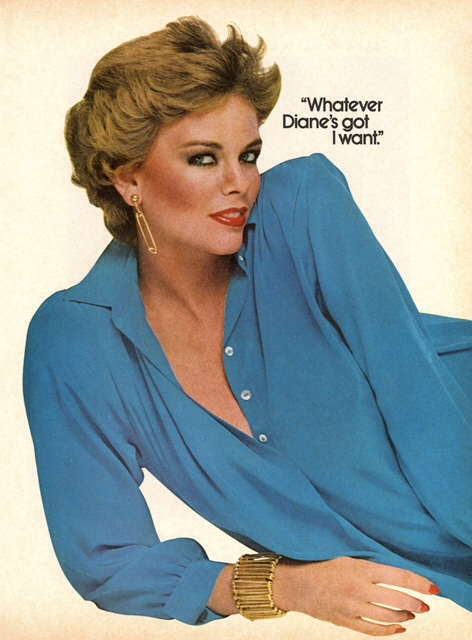
Lisa Taylor’s story isn’t just about beauty—it’s about survival, transformation, and self-worth. She lived through fashion’s most decadent decade and came out stronger, wiser, and unafraid to age. She represents an era where authenticity was rare, and yet she embodied it effortlessly.

She taught the world that grace doesn’t fade with time—it deepens. That the truest kind of beauty doesn’t need filters or fame. And that even when the lights go out, the ones who shine from within never truly fade.
Conclusion
Lisa Taylor made the world stop and stare, not just because of how she looked, but because of who she became. From a fearless girl in Oyster Bay to a supermodel, actress, and survivor, her journey reminds us that beauty isn’t a moment—it’s a lifetime of becoming.

When you look at those iconic 1970s photos—the golden hair, the sun-drenched eyes—you’re not just seeing a model. You’re seeing a story of resilience, of rebellion, and of rebirth. She didn’t chase the sunset. She became it.