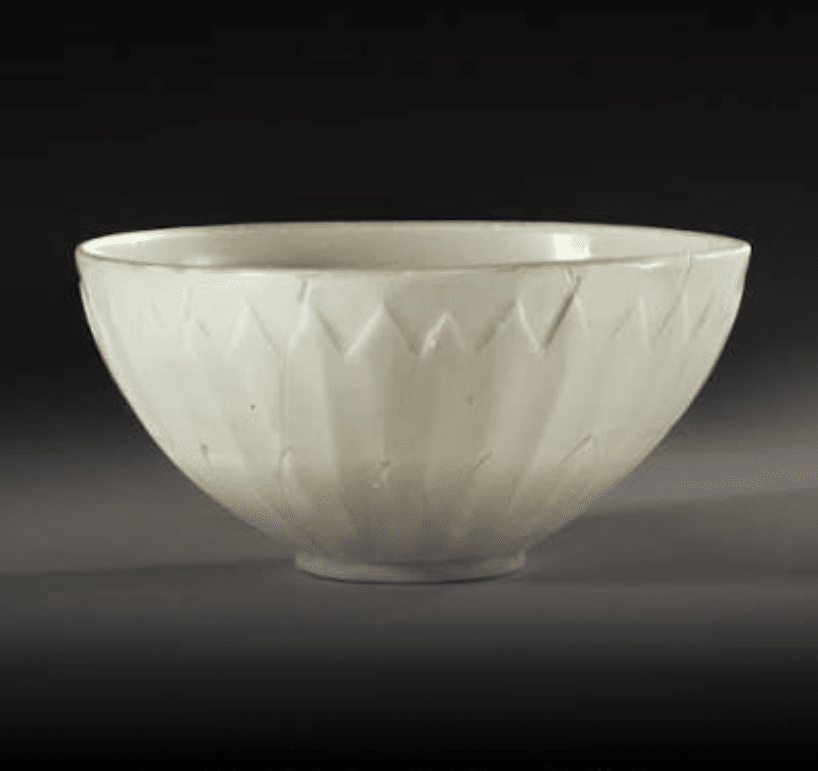
For years, a small ceramic bowl sat quietly on a mantelpiece in an American home.
Its owner had bought it at a yard sale for just $3. There was no dramatic bidding war, no famous collection attached to it, and apparently nothing about the little bowl suggested that it was particularly valuable.
It was simply an attractive old piece of pottery.
Then someone took a closer look.
When the bowl was eventually examined by specialists at Sotheby’s, its story changed completely. Experts identified it as a rare ceramic from China’s Northern Song dynasty, a period that ended nearly 900 years ago.
And when the bowl reached auction, it sold for approximately $2.2 million.
The gap between $3 and $2.2 million is extraordinary. But the real fascination lies in why such a modest-looking object could command a seven-figure price.
The Yard-Sale Find That Nobody Thought Was Special
The story began with an ordinary purchase.
The buyer found the bowl at a yard sale somewhere in the northeastern United States and paid only three dollars for it. There was apparently no immediate realization that the object might have historical significance.
For years, it remained in the home as a decorative piece.
That detail makes the discovery especially remarkable. Valuable antiques can sometimes hide in plain sight because age and beauty do not always announce themselves.
A rare object does not necessarily look rare.
In fact, the bowl’s understated appearance may have been part of the reason it escaped attention for so long.
A Small Bowl With an Unusual Appearance
The bowl was relatively small and featured a restrained grayish-blue glaze rather than elaborate decoration.
To someone unfamiliar with Chinese ceramics, that might not sound particularly impressive.
To a specialist, however, those characteristics can tell an entirely different story.
The shape, glaze, proportions and workmanship of an antique ceramic can reveal clues about when and where it was produced. In this case, those clues eventually pointed toward the Northern Song dynasty.
Why Northern Song Ceramics Are So Important
The Northern Song dynasty ruled China from 960 to 1127 CE, a period widely regarded as an important era in Chinese art and culture.
Ceramics from this period are especially admired for their technical quality and restrained beauty.
Unlike later pieces that may feature elaborate paintings, bright colors or intricate decorative scenes, many Song dynasty ceramics emphasize simplicity.
Video: Tag Sale Bowl Sells for Millions at Auction
The form matters.
The glaze matters.
Even the way light moves across the surface can matter.
The Beauty Was in the Details
The bowl’s muted appearance was not a sign of poor craftsmanship.
Quite the opposite.
Song potters were capable of producing ceramics in which subtle variations in glaze and shape became central to the object’s beauty. The result could look almost plain at first glance while revealing remarkable sophistication when examined closely.
That is one reason these pieces continue to attract collectors and museums.
A bowl that looks simple can carry an enormous amount of history.
How Experts Determined the Bowl’s Age
Identifying a nearly thousand-year-old ceramic requires much more than simply looking at it and guessing.
Experts examine several characteristics, including the clay body, the shape of the vessel, the construction of the foot, the thickness and behavior of the glaze, and the techniques used to form the piece.
They also compare the object with authenticated examples from the same period.
In this case, specialists at Sotheby’s determined that the bowl was consistent with Northern Song production.
That placed its creation somewhere between the late 10th and early 12th centuries.
Video: An Introduction to Song Ceramics
Comparing the Bowl With Known Examples
One of the strongest clues was the existence of comparable Northern Song ceramics in major museum collections.
When specialists can compare an unknown object with well-documented examples, they can examine similarities in shape, materials, glaze and craftsmanship.
The bowl’s rarity also became increasingly important.
Authentic examples of high-quality Northern Song ceramics are not everyday finds. Many surviving pieces are already held by museums or important private collections.
That scarcity can dramatically affect an object’s value.
Why a Plain Bowl Could Be Worth Millions
At first glance, the final auction price may seem almost impossible.
Why would anyone pay millions for a small bowl that does not contain elaborate artwork?
The answer comes down to several factors: age, rarity, condition, craftsmanship and historical importance.
A thousand-year-old object does not become valuable simply because it is old. Millions of old objects exist.
What matters is what makes one particular object exceptional.
This bowl belonged to a highly respected ceramic tradition, had survived for centuries, and represented a rare example of Northern Song craftsmanship.
Rarity Can Matter More Than Appearance
That is an important lesson in the world of antiques.
Size does not determine value.
A large decorative object may be worth relatively little, while a tiny ceramic vessel can become enormously valuable if collectors consider it rare and historically significant.
The bowl did not need to look spectacular.
Its history was the spectacular part.
The Sotheby’s Auction Changed Everything
Once the bowl was authenticated and presented at Sotheby’s, it entered a completely different world.
The yard-sale price no longer mattered.
Collectors and specialists could now evaluate the piece based on its historical significance, rarity and quality.
Competition at auction eventually pushed the price to approximately $2.2 million.
That result transformed an ordinary-looking yard-sale purchase into one of those extraordinary hidden-treasure stories that antique lovers dream about.
From Three Dollars to Seven Figures
The numbers alone are astonishing.
The original purchase price: $3.
The eventual auction result: about $2.2 million.
That represents an increase of hundreds of thousands of times over the original price.
But the sale was not simply about someone getting lucky at a yard sale.
The value came from the expertise that followed.
Without professional examination, the bowl might have remained a decorative object on a mantelpiece. Authentication revealed what was already there: centuries of history preserved in clay and glaze.
The Bowl’s Quiet Journey Through American History
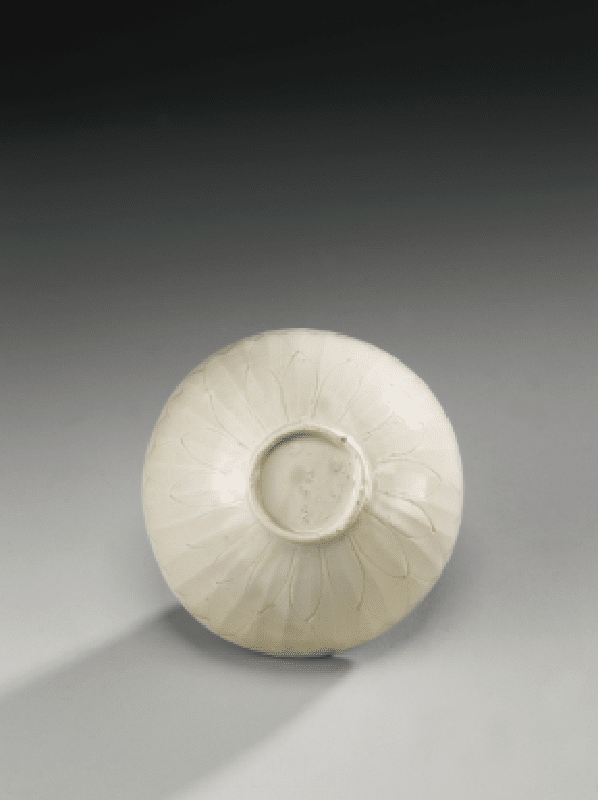
Perhaps the most fascinating part of the story is how quietly the bowl survived.
Somewhere along the way, it traveled from China to the United States. Eventually, it ended up at an ordinary yard sale, where someone picked it up for the price of a casual purchase.
Then it spent years sitting in a home.
No museum displayed it.
No collector guarded it behind glass.
Nobody knew that the small ceramic object represented an important chapter of Chinese artistic history.
Why Hidden Treasures Are So Easy to Miss
Objects like this remind us that historical significance is not always obvious.
An antique can become separated from its original documentation. A family may inherit something without knowing where it came from. A decorative object can pass through several owners until someone finally decides to have it evaluated.
That is why experts often encourage collectors and antique enthusiasts to look beyond appearance.
A strange mark, unusual glaze, distinctive shape or unfamiliar material can sometimes justify further research.
Of course, most yard-sale finds will not turn out to be million-dollar antiques.
But occasionally, something extraordinary really is sitting on the table for a few dollars.
What Made This Discovery So Memorable
The bowl’s story has all the ingredients of a classic treasure hunt.
There is the modest purchase.
There is the unsuspecting owner.
There is the expert examination.
And finally, there is the astonishing auction result.
But beyond the money, the story offers a glimpse into the remarkable durability of art.
The bowl survived for nearly a millennium.
Dynasties changed. Borders changed. Entire generations disappeared.
Yet the small ceramic vessel remained.
Its surface may have looked quiet and ordinary, but it carried evidence of a sophisticated artistic tradition from centuries ago.
Conclusion: A Three-Dollar Purchase With a Thousand-Year Story
The small bowl purchased for $3 at a yard sale turned out to be something far more significant than a simple piece of old pottery.
Experts identified it as a rare Northern Song dynasty ceramic, dating back nearly a thousand years. Its understated shape and muted glaze reflected the refined aesthetic of one of China’s most celebrated periods of ceramic production.
After authentication, the bowl went to Sotheby’s, where competitive bidding drove the final price to approximately $2.2 million.
The extraordinary part is not simply the money.
It is the fact that an object with such a remarkable history spent years sitting quietly in an ordinary home, unnoticed.
The bowl never changed.
What changed was someone’s understanding of what they were looking at.
Sometimes, the most valuable thing in an old object is the story it has been carrying all along.