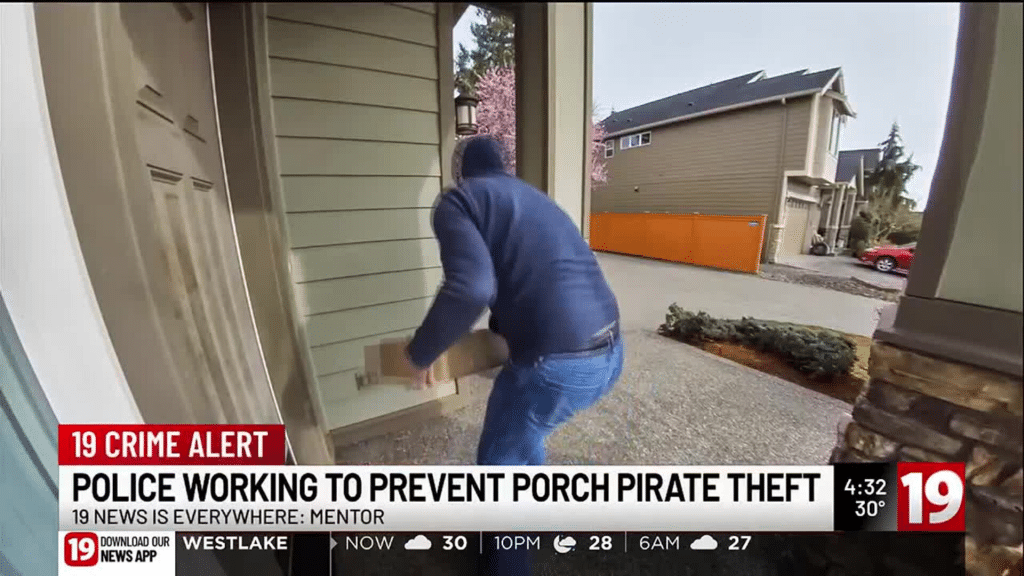
A package sitting quietly on a front porch usually means one thing: a delivery has arrived.
For a thief watching from the street, it can look like an easy opportunity. Pick up the box, walk away, and disappear before anyone notices.
But what if the package isn’t really a package at all?
In one police operation, officers turned an ordinary-looking laptop box into a tracking device disguised as bait. The thief who grabbed it likely believed he had made an easy score. Instead, the moment he carried the box away, he activated the evidence that would lead police straight to him.
The case offers a fascinating look at how law enforcement can use GPS technology to investigate porch piracy, a crime that can otherwise be surprisingly difficult to solve.
Why Porch Package Theft Became Such a Problem
The growth of home delivery has changed everyday life. People can order almost anything online and have it arrive at their doorstep, often without anyone being home.
That convenience has created another opportunity.
A package left outside can sit unattended for hours. A thief doesn’t necessarily need sophisticated equipment or planning. Sometimes all it takes is a quick walk onto a porch, a grab, and a fast getaway.
Traditional investigations can struggle with that simplicity.
A security camera might capture the theft, but the image may not clearly show the person’s face. A vehicle might be visible, but the license plate could be unreadable. Witnesses are often unavailable.
Police therefore began experimenting with a different approach: bait packages equipped with hidden tracking technology.
Instead of waiting for a thief to make a mistake, investigators create a situation in which taking the package automatically generates a trail.
How a GPS Bait Package Works
The basic idea is surprisingly simple.
Video: Police try bait packages to nab “porch pirates”
Police prepare a package that looks like an ordinary delivery. The box might resemble a shipment containing an electronic device or another desirable item.
Inside, however, there is no expensive laptop.
There is a tracking device.
The equipment can be concealed within the packaging so that someone casually handling the box would have little reason to suspect anything unusual. The goal isn’t to create a theatrical trap. It is to make the package look completely ordinary.
Officers then place the box at a location where package theft has become a concern.
From there, they wait.
The important moment comes when someone picks it up.
The Theft Becomes the Trigger
Once the bait package moves, the tracking system can begin transmitting its location.
Instead of having to guess which direction the thief took, investigators receive information about where the package is going.
That changes the entire investigation.
A normal porch theft might leave police with a few seconds of surveillance footage. A tracked package can create a continuing record of its journey.
The thief may believe the crime ended when the box disappeared from the porch.
For investigators, that may be when the real investigation begins.
The Laptop Box Was Never Really the Prize
From the outside, the bait package was designed to look like a laptop shipment.
That detail matters because appearance plays a major role in porch theft.
A box that looks expensive can be more tempting than an anonymous package. Electronics are particularly recognizable because many consumers receive similarly sized boxes from retailers.
The thief doesn’t need to know what’s inside.
He only needs to believe it might be valuable.
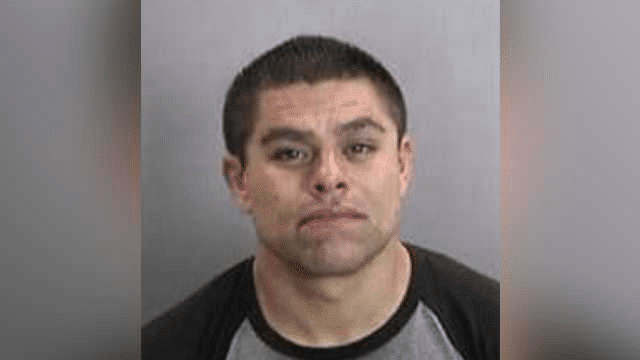
In this case, that assumption worked perfectly.
The suspect took the package and moved away from the original location. There was no obvious confrontation. Nobody had to chase the person down the street.
The hidden technology was already doing the work.
How Police Followed the Tracking Signal
Once the package began moving, officers could monitor its location.
The signal provided investigators with a developing picture of the package’s route. Instead of responding blindly to a theft report, officers could follow the movement and determine where the stolen property was going.
This distinction can be crucial.
Stopping a suspect immediately might recover one stolen package. Allowing investigators to follow the trail can potentially reveal where the person lives, where stolen goods are stored, or whether other people are involved.
The package effectively became a moving breadcrumb trail.
Every new location update reduced the uncertainty.
Eventually, the signal stopped traveling and remained at a fixed location.
That was the moment the investigation changed again.
The Tracker Finally Went Quiet
A stationary signal can tell investigators something important: the package has reached its destination.
At that point, officers can move toward the location indicated by the tracking system and attempt to confirm what happened.
The key evidence isn’t simply that the package was once stolen.
It is the combination of events:
The package began at the police-selected location.
Someone removed it.
The tracker recorded its movement.
The signal led investigators to a specific destination.
The package was then located there.
Together, those details can create a far stronger investigative picture than a brief surveillance clip alone.
Video: Police Use GPS Technology to Track Bait Packages
What Happens When Police Reach the Destination?
Bait-package investigations don’t automatically mean that every person found near a tracked package is guilty.
Police still have to follow applicable procedures, establish possession and document the evidence properly.
That can include confirming the package’s location, identifying the person who possesses it and preserving the GPS information.
The tracking data can provide a chronological record showing when the package moved and where it traveled.
That makes the technology particularly useful because the evidence isn’t based entirely on someone’s memory.
The package itself has effectively documented its journey.
Why GPS Evidence Can Change a Porch Theft Case
Imagine two different investigations.
In the first, a homeowner reports that a package disappeared. A camera shows someone walking onto the porch, but the person’s face remains unclear. The suspect disappears.
In the second, police have a bait package equipped with tracking technology. The package is taken, its location changes, and investigators follow the signal to a specific destination where they recover it.
The difference is enormous.
The second investigation has a continuous connection between the original theft and the eventual location of the property.
That doesn’t eliminate the need for normal investigative work, but it can provide a valuable piece of evidence that traditional surveillance cannot.
The Bigger Purpose Behind Bait Package Operations
The most interesting part of these operations isn’t necessarily the arrest itself.
Police can also learn where stolen packages are going.
A person stealing one package might be acting alone. But if investigators discover additional stolen property at the destination, the original bait package may have exposed something much larger.
That is one reason bait operations can be more useful than simply recovering a single stolen item.
The decoy becomes a doorway into a broader investigation.
Instead of asking only, “Who stole this package?” investigators can potentially ask, “Where are other stolen packages going?”
Turning a Common Crime Into a Trackable Investigation
Porch piracy often feels random to victims.
A delivery arrives.
Someone sees it.
The package disappears.
But stolen goods rarely exist in isolation. They have to be transported somewhere, stored somewhere or passed to someone else.
GPS technology gives investigators a way to follow that movement.
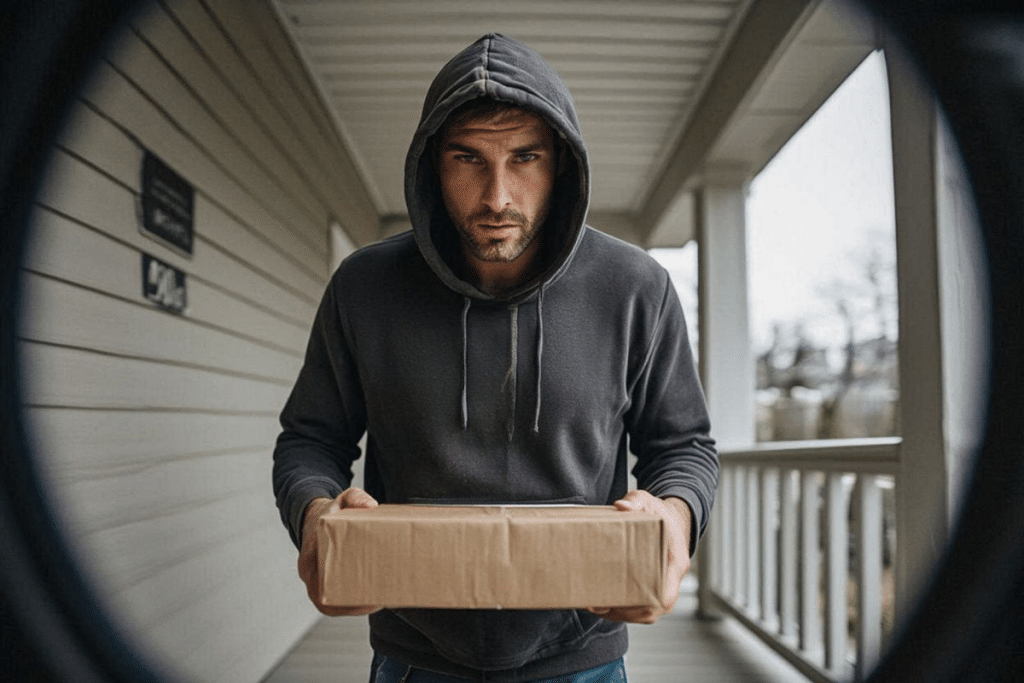
It turns a momentary theft into a trail.
And that trail can sometimes be much more revealing than the original crime scene.
The Thief’s Biggest Mistake Was Taking the Box
There was no complicated getaway scheme to defeat.
No dramatic chase was required.
No elaborate forensic breakthrough solved the case.
The crucial mistake happened at the very beginning.
The suspect picked up the package.
That single action activated the chain of evidence.
From the thief’s perspective, the box probably looked like an ordinary delivery left unattended by its owner. There was no obvious warning, no visible tracking equipment and no immediate indication that police were watching.
But appearances were misleading.
The package wasn’t simply sitting on the porch.
It was waiting.
Why These Operations Keep Getting Attention
The appeal of bait-package operations comes from their simplicity.
Porch theft is a modern crime built around modern convenience. People order goods online, delivery drivers leave them at homes, and thieves sometimes take advantage of the brief period before the homeowner returns.
GPS bait packages turn that same technology against the thief.
The delivery becomes the trap.
The tracker becomes the witness.
And the route becomes the evidence trail.
Of course, tracking technology doesn’t replace traditional police work. Investigators still need to establish what happened, identify suspects and follow the legal process. But when the technology works as intended, it can provide something that porch theft cases often lack: a direct connection between the stolen property and its destination.
Conclusion: The Package Was the Trap All Along
The story of the tracked laptop box illustrates an important change in the fight against porch piracy.
A thief may believe that a package left outside is an easy target. There is no confrontation, no locked door to force open and often no person standing nearby.
But a package can be something other than what it appears to be.
In a police bait operation, the box itself can become the beginning of the investigation. Once the thief removes it, hidden GPS technology can record its movement and give officers a trail to follow.
What looks like a successful theft can therefore become the exact moment a suspect gives investigators the information they need.
The most ironic detail is also the simplest: the thief didn’t need to leave a fingerprint, make a confession or get caught on camera at the perfect angle. He only had to take the box.
And once he did, the package was no longer just stolen property.
It was tracking him.