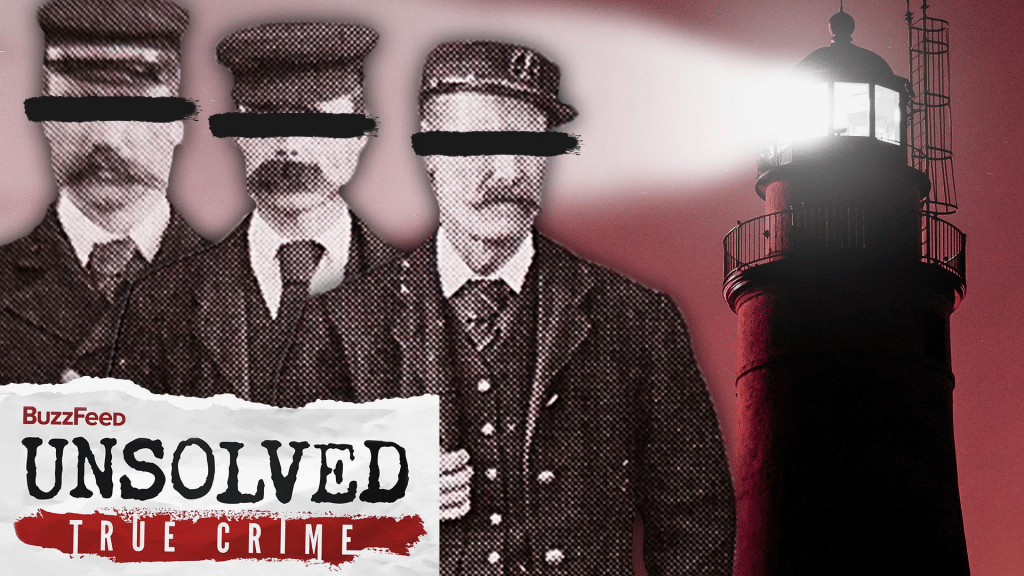
On December 26, 1900, a relief ship finally reached the remote Flannan Isles after days of difficult Atlantic weather.
The lighthouse on Eilean Mòr should have been waiting for them.
Instead, it was dark.
No keeper appeared at the landing. No flag was raised. Repeated signals from the approaching Hesperus received no response.
When Joseph Moore went ashore to investigate, he found the lighthouse door closed but unlocked. Inside, the fire had gone cold, a clock had stopped, and three men were nowhere to be found.
Principal Keeper James Ducat, Assistant Keeper Thomas Marshall and Occasional Keeper Donald McArthur had disappeared.
Their bodies were never recovered.
For more than a century, the Flannan Isles lighthouse mystery has inspired stories about ghosts, murder, supernatural forces and mysterious logbook entries. But the official investigation told a much more grounded story.
The strongest physical evidence pointed toward the western landing—and the enormous waves crashing against it.
The Last Days at the Flannan Isles Lighthouse
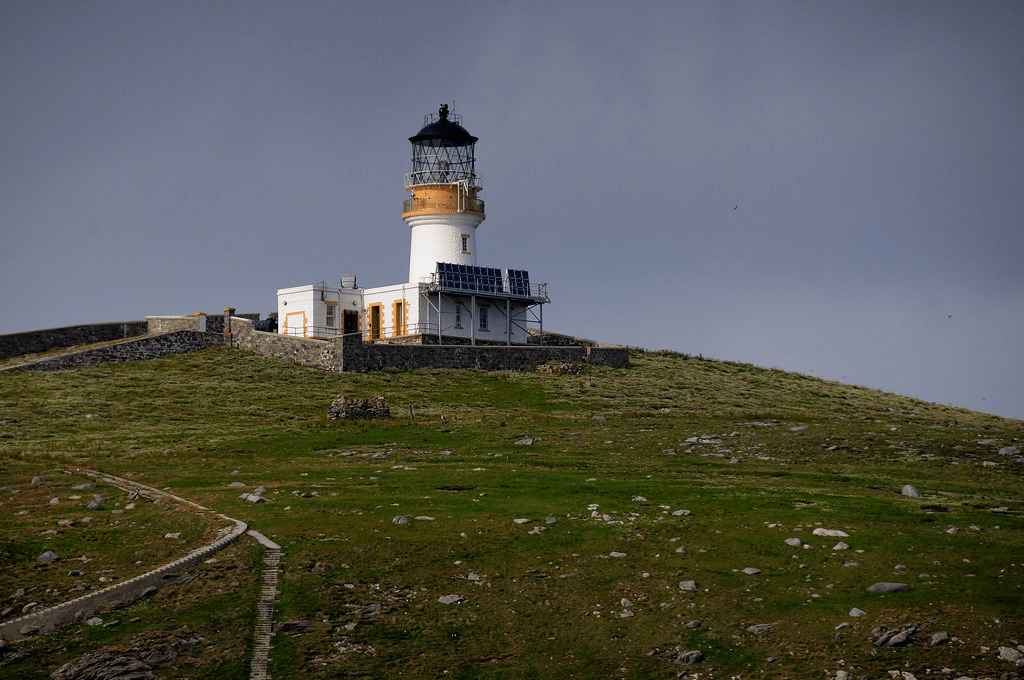
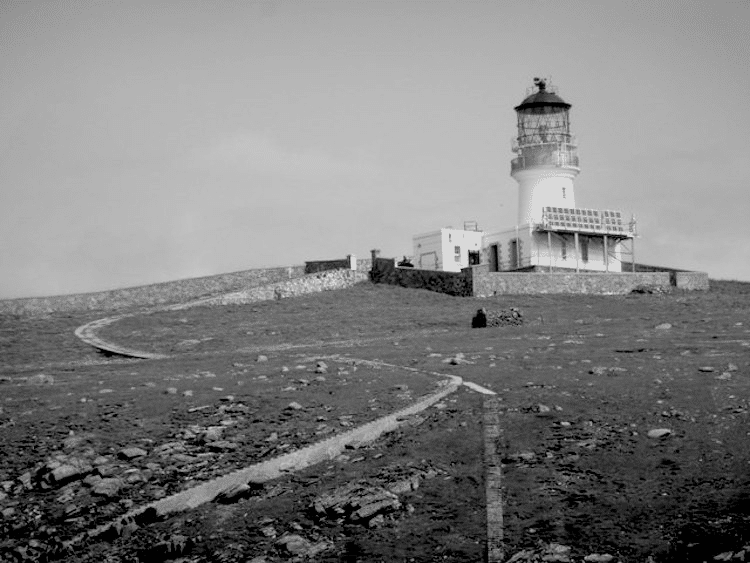
The Flannan Isles lighthouse was relatively new when the three keepers vanished. Designed by engineer David Stevenson, the lighthouse on Eilean Mòr began operating in 1899 to help guide ships through dangerous waters west of Scotland.
The station normally relied on three keepers who shared responsibility for maintaining the light and managing the remote facility.
Their final known period on the island came during December 1900, when the North Atlantic was delivering severe weather.
On December 15, the passing steamer Archtor reported that the lighthouse light was not visible. That observation became one of the earliest clues that something had already gone wrong.
The relief vessel Hesperus was supposed to visit the island, but storms delayed the journey.
When the ship finally approached Eilean Mòr on December 26, eleven days had passed since the lighthouse was last known to be operating normally.
That delay transformed a routine supply visit into a search for three missing men.
Video: The Eerie Vanishing Of The Flannan Isles Lighthouse Keepers
A Lighthouse That Should Have Been Occupied
Captain James Harvey noticed immediately that something was wrong.
The customary flag was absent.
No keeper appeared.
The landing stage was deserted.
Joseph Moore was sent ashore with several other men. When he reached the lighthouse, he found the doors closed but unlocked.
The interior did not look as though three men had simply packed their belongings and left.
The station was largely intact.
The light equipment remained.
There was no obvious sign of a violent confrontation.
But the keepers were gone.
What the Official Inspection Found Inside
The interior of the lighthouse became the subject of intense attention because later retellings transformed several ordinary details into something much more dramatic.
The official inspection did record a stopped clock, a cold fireplace and an overturned chair.
Those details were real.
But the famous image of an untouched meal waiting on the table is not supported by the official investigation.
Later fiction helped create that image, particularly W. W. Gibson’s 1912 poem Flannan Isle. The poem turned a real disappearance into a dramatic literary mystery, adding atmospheric details that later readers sometimes mistook for historical evidence.
The actual inspection was considerably less theatrical.
One of the most important observations involved the keepers’ oilskins.
Two sets were missing.
One set remained inside.
That small detail became significant because the men would normally wear protective clothing when working outside in severe weather.
There Was No Evidence of a Struggle
The lighthouse itself provided little support for theories of murder or violence.
Investigators did not find convincing evidence of a fight.
There was no documented bloodshed.
No damaged weapon connected to a confrontation was discovered.
The equipment associated with the lighthouse remained largely intact.
Instead of looking like the scene of a crime, the building appeared to have been abruptly emptied.
That shifted the investigation toward the island itself.
And outside, investigators found something far more revealing.
The Western Landing Held the Biggest Clue
Eilean Mòr had exposed landing areas used to handle supplies and equipment.
The western landing faced the open Atlantic.
When Superintendent Robert Muirhead inspected that area, he found extensive damage.
Iron railings had been bent or torn away.
A heavy rope box had been displaced.
Ropes and equipment had been disturbed.
Large pieces of rock and turf had also been moved.
The damage was not the sort of minor wear that lighthouse equipment might experience during an ordinary storm.
Something extremely powerful had struck the western side of the island.
The eastern landing, by comparison, was much less disturbed.
That contrast became crucial.
The Atlantic Was Already Telling the Investigators Something
The weather conditions surrounding the disappearance were severe.
Eilean Mòr sits in an exposed position in the Atlantic, where large swells can strike the island with enormous force.
The western landing was especially vulnerable because it faced directly toward the open sea.
Muirhead therefore had a physical clue that could be connected to the disappearance.
The keepers had vanished.
Their protective clothing suggested that at least two men had gone outside.
The western landing showed evidence of extraordinary wave action.
And there was no convincing evidence that anyone had attacked the lighthouse.
Put those pieces together, and the official explanation began to take shape.
The Official Theory: The Keepers Were Swept Into the Sea
Superintendent Muirhead concluded that the three men were most likely swept away by enormous waves while dealing with equipment at the western landing.
The precise sequence remains uncertain.
One possibility is that two keepers went outside to secure or inspect equipment after the storm. A massive wave then struck the landing and carried them into the sea.
The third keeper may have seen what happened and rushed outside to help.
If so, he could have been caught by another wave.
The missing oilskins provide an important clue here. Two men were apparently prepared to go outside, while the third set remained behind.
That could indicate that the third man’s departure happened suddenly.
Perhaps he heard something.
Perhaps he saw the others disappear.
Perhaps he simply reacted instinctively.
We cannot know.
What investigators could establish was the combination of severe weather and extraordinary structural damage at the western landing.
The sea offered a plausible explanation for all three disappearances without requiring an unknown attacker.
Why Were Their Bodies Never Found?
This is one of the most haunting aspects of the case.
If the men were swept into the Atlantic, why did nobody recover their bodies?
The answer may lie in the location itself.
The Flannan Isles are surrounded by deep, cold and powerful Atlantic waters. A person swept from a high, exposed landing could quickly disappear from view.
Strong currents could carry remains away from the island.
Cold water, rough seas and underwater terrain would make recovery extremely difficult.
The lack of bodies therefore does not necessarily contradict the official explanation.
Video: What most likely happened to the vanished keepers at Flannan Isles Lighthouse (mini-documentary)
In fact, it is entirely compatible with a fatal accident involving enormous waves.
The sea did not need to return evidence.
It only needed to take the men beyond the reach of rescuers.
What About the Mysterious Logbook Entries?
This is where the historical record and popular culture diverge sharply.
Modern versions of the story sometimes claim that the lighthouse log contained strange entries describing the keepers as terrified, weeping or convinced that supernatural forces surrounded the island.
Those entries have become part of the legend.
But they are not part of the authentic station record in the way popular retellings suggest.
The dramatic material largely comes from later fictional treatments of the disappearance.
That distinction is important.
The real story is already remarkable: three lighthouse keepers disappeared from a remote island during severe Atlantic weather.
There is no need to add imaginary diary entries to make it mysterious.
The Famous Dinner Story Is Also Misleading
Another popular image shows the men supposedly leaving a meal untouched, as though they vanished in the middle of eating.
Again, that detail does not appear in the official investigation in the form later stories suggest.
The actual evidence is much simpler.
A chair was overturned.
The fire was cold.
The lighthouse was empty.
Two sets of oilskins were missing.
The outdoor landing showed serious storm damage.
Those facts may sound less dramatic than a table frozen in time, but they carry far more historical weight.
Theories That Do Not Fit the Evidence
Over the years, the disappearance has inspired plenty of alternatives.
Murder is one.
But the physical evidence does not strongly support it. There was no convincing sign of a violent confrontation inside the lighthouse, and the severe damage at the western landing already provided a plausible natural explanation.
Another theory imagines an unknown ship arriving at the island.
Again, there is no solid evidence for such an event.
No reliable record places an unidentified vessel at Eilean Mòr during the relevant period.
Then there are supernatural explanations.
Ghosts.
Sea creatures.
Paranormal forces.
A curse associated with the island.
These ideas may be entertaining, but the official investigation found no physical evidence supporting them.
The island’s remote setting and eerie reputation undoubtedly helped such stories survive. Yet atmosphere is not evidence.
The One Detail the Investigation Could Not Resolve
Even the official explanation leaves an important question unanswered.
Exactly what happened during the final minutes?
We know the lighthouse was functioning before the disappearance.
We know the men were gone when the Hesperus arrived.
We know the western landing suffered major storm damage.
We know two sets of oilskins were missing.
But nobody saw the final sequence.
There was no surviving witness.
No body.
No recovered personal account.
No physical evidence that could reconstruct the event second by second.
Perhaps two men went outside and were struck by a wave.
Perhaps one disappeared first and the others tried to help.
Perhaps a series of enormous waves hit the landing in rapid succession.
All remain possible within the broad framework of the official conclusion.
That uncertainty is the small gap where the mystery still survives.
What the Evidence Really Tells Us
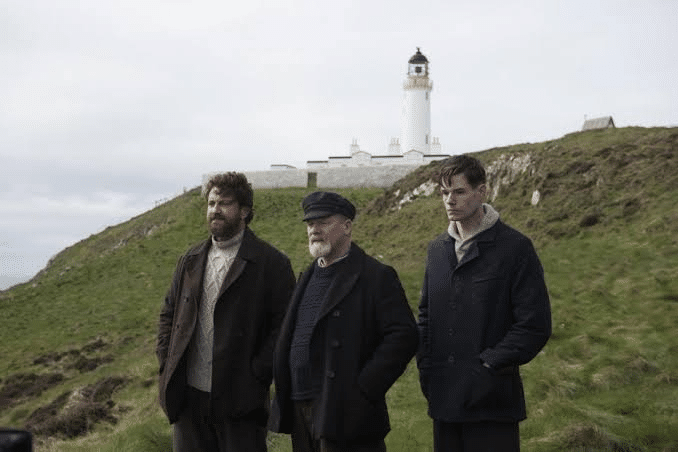
The Flannan Isles disappearance remains one of history’s most famous lighthouse mysteries because the central facts are so stark.
Three men were stationed on a remote Scottish island.
The lighthouse went dark.
A relief ship arrived eleven days later.
The keepers were gone.
Inside, investigators found no convincing evidence of violence.
Outside, they found dramatic evidence of powerful wave action at the western landing.
The official investigator, Robert Muirhead, concluded that the men had most likely been swept into the sea.
More than 120 years later, nothing has emerged that convincingly overturns that conclusion.
The mystery, then, is not necessarily who took the men.
It is the exact moment when the Atlantic did.
Conclusion: The Sea May Have Taken Them—But the Final Moment Is Lost
The disappearance of James Ducat, Thomas Marshall and Donald McArthur remains unsettling because the evidence stops just before the most important moment.
The lighthouse survives.
The inspection report survives.
The storm damage survives in the historical record.
The three men do not.
The strongest physical clues point toward the western landing, where iron railings were damaged, equipment was displaced and the island had clearly endured extraordinary wave action.
Muirhead’s conclusion was therefore straightforward: the keepers most likely went outside during severe weather and were swept into the sea.
That explanation does not answer every question. It cannot tell us who stepped outside first, who saw the danger coming or whether one man attempted to rescue another.
But it fits the evidence better than the dramatic alternatives.
The ghostly logbook entries, untouched dinner and supernatural theories belong largely to the mythology that grew around the case.
The real mystery is quieter.
Three men walked toward the Atlantic.
Something happened at the western landing.
And after that, Eilean Mòr was empty.